Historical and Cultural Significance
Elephantine Island held great importance in ancient Egypt as a religious and administrative center. It was dedicated mainly to the god Khnum, believed to control the Nile’s annual flooding. Therefore, the island played a key role in rituals linked to fertility and agriculture.
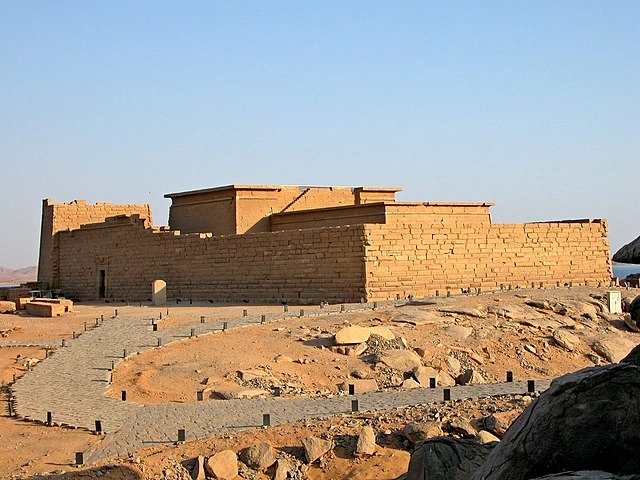
Moreover, the island housed one of Egypt’s earliest Nilometers, which measured the river’s water levels. This helped predict harvest success and taxation. In addition, archaeological discoveries reveal temples, fortifications, and settlements from different historical periods.
Culturally, the island reflects centuries of interaction between Egyptian and Nubian traditions, making it a valuable symbol of regional heritage.