Dandera Temple

Ancient goddess sanctuary awaits discovery!

Dandera Temple
Location Map & Video Guide

Visitor Experience and Practical Travel Information
Best Time to Visit
Visit Dendera Temple from October to April when Upper Egypt is cooler and exploring is comfortable.

What to Do
Admire the hypostyle hall, sanctuaries, and astronomical ceilings. Also, guided tours explain religious symbolism, mythology, and history. Combine the visit with nearby Luxor, Edfu, and Kom Ombo for a full Upper Egypt experience.

Getting There
Accessible from Luxor by car or tour. Local guides are recommended for safety and insights.

Travel Tips
Bring water, sun protection, and comfortable shoes. Visit early, respect the reliefs, and consider hiring a guide.

About Dendera Temple
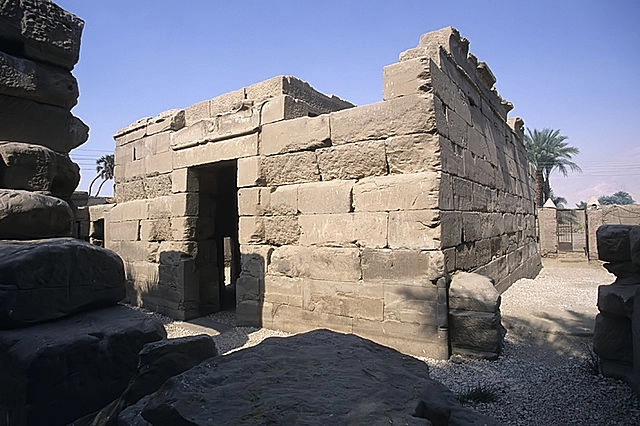
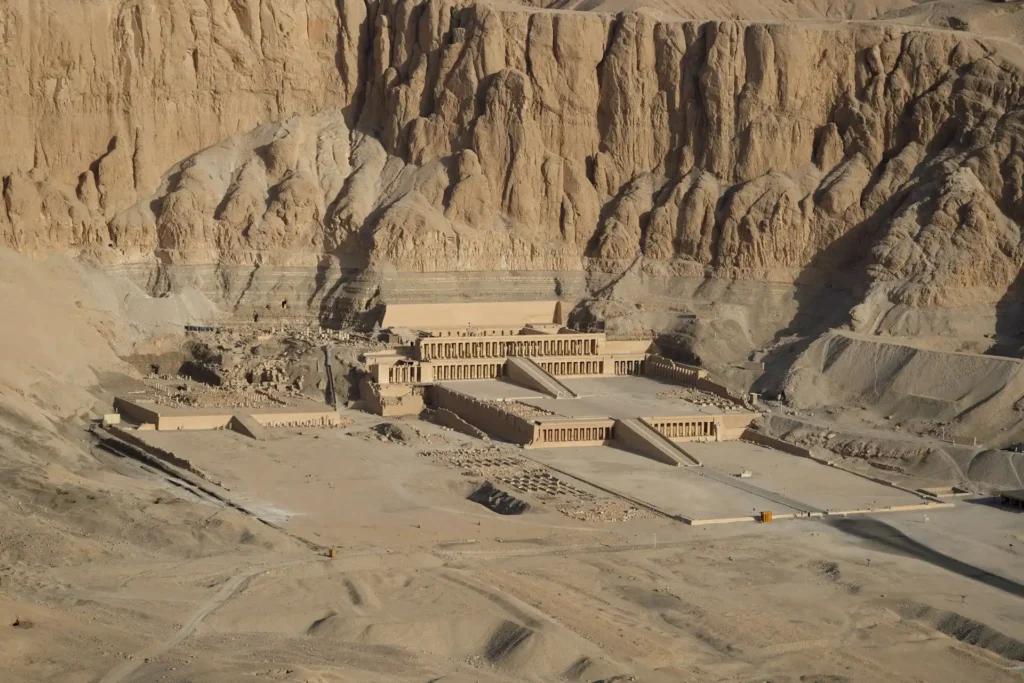
Dendera Temple, located in the town of Dendera, about 60 km north of Luxor in Egypt’s Qena Governorate, is one of the most well-preserved ancient temples in Upper Egypt. Moreover, the temple complex sits near the Nile River, surrounded by fertile land that sustained local communities for centuries.

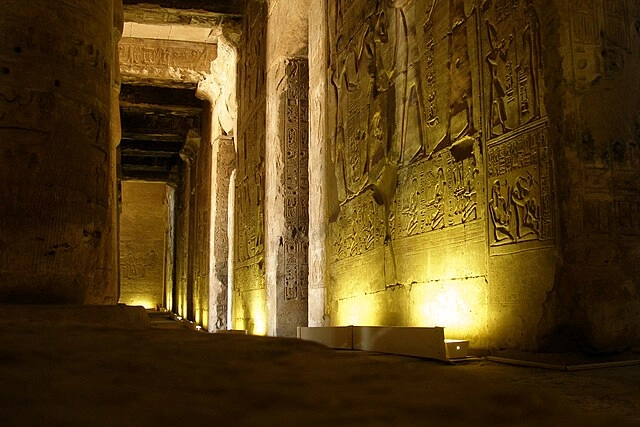
The temple is dedicated to Hathor, the Egyptian goddess of love, music, fertility, and joy. Visitors can explore massive halls, decorated columns, and intricate carvings that reflect the artistic mastery of the Ptolemaic and Roman periods. Additionally, the temple’s layout demonstrates careful planning, with a large hypostyle hall, sanctuaries, and open courtyards. The ceilings feature famous astronomical and zodiac scenes, providing insight into ancient Egyptian cosmology.

Dendera Temple allows visitors to experience both the spiritual and artistic achievements of ancient Egypt. Also, walking through its corridors and examining reliefs gives a tangible connection to the religious practices and daily life of the people who built and worshiped here for centuries.

Dandera Temple Featured Trips

Powered by GetYourGuide

Historical and Cultural Significance
The Dendera Temple complex is a remarkable testament to Egypt’s rich religious, artistic, and cultural heritage. Moreover, while the current structures were mainly built during the Ptolemaic era (c. 54–30 BCE) and expanded in the Roman period, the site itself dates back to much earlier dynasties, making it one of the longest-used temple sites in Upper Egypt.

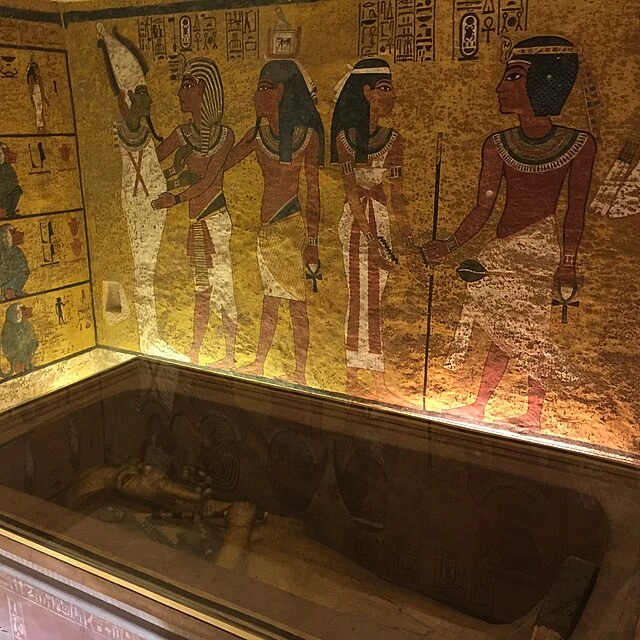
The temple is primarily dedicated to the goddess Hathor, the deity of love, music, joy, and fertility. Also, it served as a major pilgrimage center where ancient Egyptians came to perform rituals, offer prayers, and celebrate festivals in honor of the goddess. Additionally, the walls, ceilings, and columns are covered with exceptionally well-preserved reliefs, inscriptions, and astronomical depictions, illustrating religious ceremonies, mythological stories, and ancient beliefs about the cosmos.

The intricate carvings also reveal details of daily life, royal ceremonies, and the blending of Egyptian and Greco-Roman artistic influences, highlighting both religious devotion and cultural exchange. As a result, visiting Dendera Temple offers an immersive experience in ancient Egyptian religion, art, and architecture, allowing modern visitors to connect directly with centuries of spiritual and artistic achievement, and appreciate the sophistication of Ptolemaic and Roman-era craftsmanship.

📌 Ready to explore the magnificent Dendera Temple?
Contact Us to plan your unforgettable Egyptian heritage journey today!

Scroll to Top