East and West Bank

Explore Temples and Tombs Across the Nile!

East and West Bank
Location Map & Video Guide

Introduction to the East and West Bank of Luxor
Two Complementary Sides of Ancient Egypt

The East and West Bank of Luxor together represent the full spiritual and cultural landscape of ancient Egyptian civilization. The Nile River divides the city into two distinct areas, each with its own symbolic meaning and historical function.

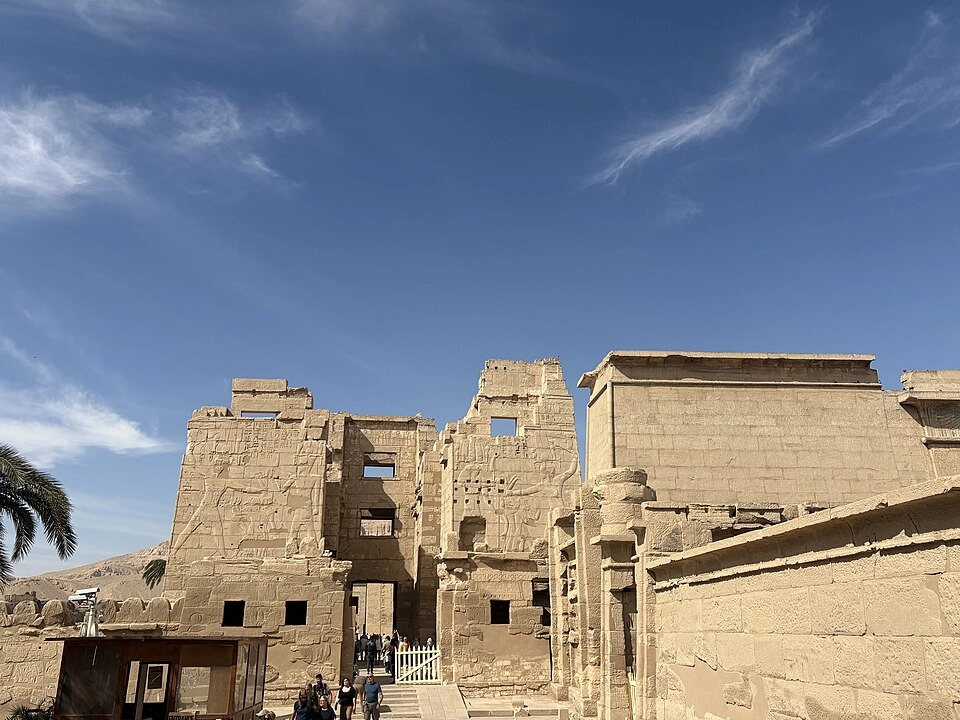
In ancient belief, the East Bank symbolized life, rebirth, and daily activity because the sun rose in the east. As a result, ancient Egyptians built cities, temples, and centers of worship on this side of the river. In contrast, the West Bank symbolized death and the afterlife, linked to the setting sun. Therefore, tombs, burial grounds, and mortuary temples were placed on the western desert cliffs.

Today, visiting both banks allows travelers to experience how ancient Egyptians viewed life and death as two connected stages of one eternal journey.

Religious and Historical Significance
Sacred Architecture and Belief Systems

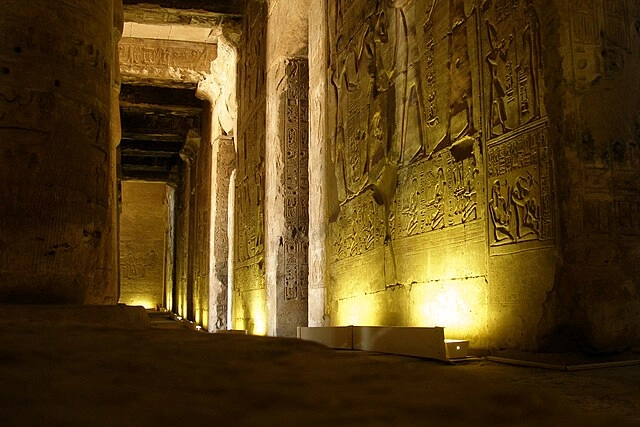
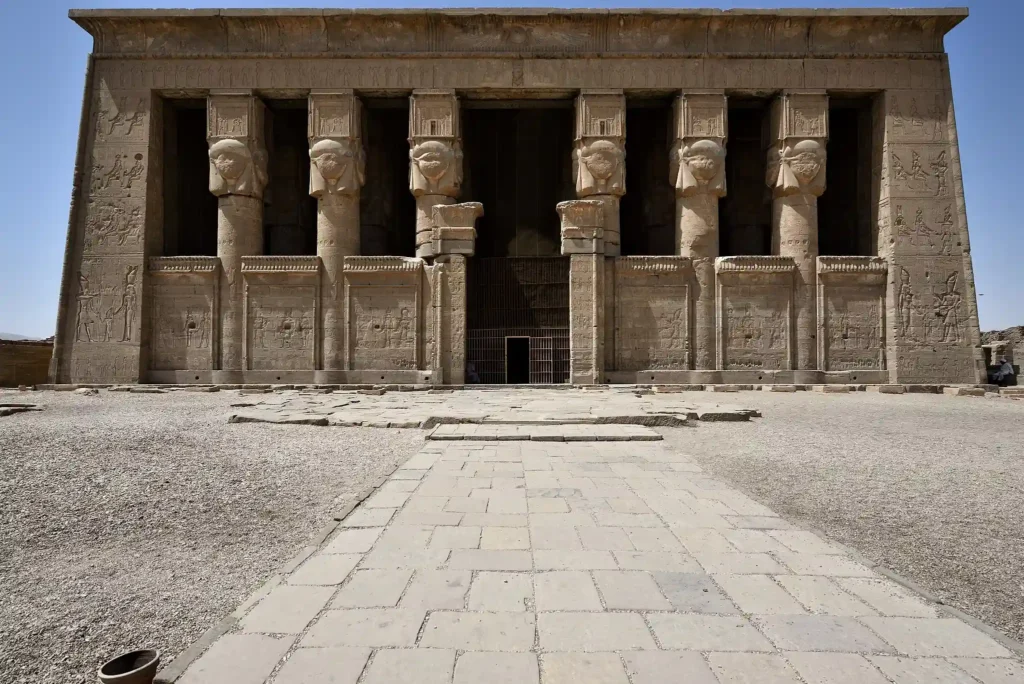
The East Bank of Luxor served as the religious and ceremonial heart of ancient Egypt. It includes monumental temples such as Karnak Temple and Luxor Temple, which played a central role in worship, festivals, and royal ceremonies. These temples honored major gods, especially Amun-Ra, and reflected the close relationship between religion and state power.

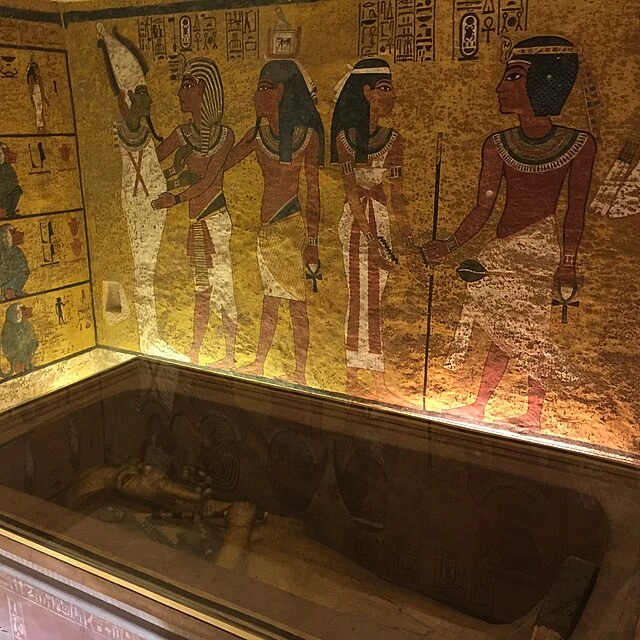
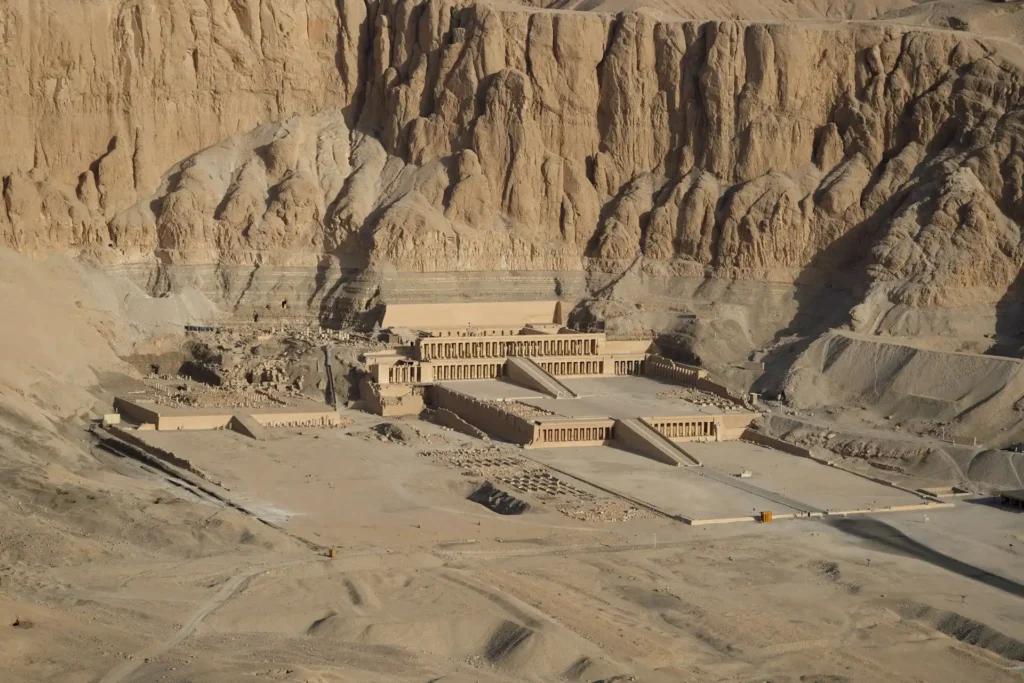
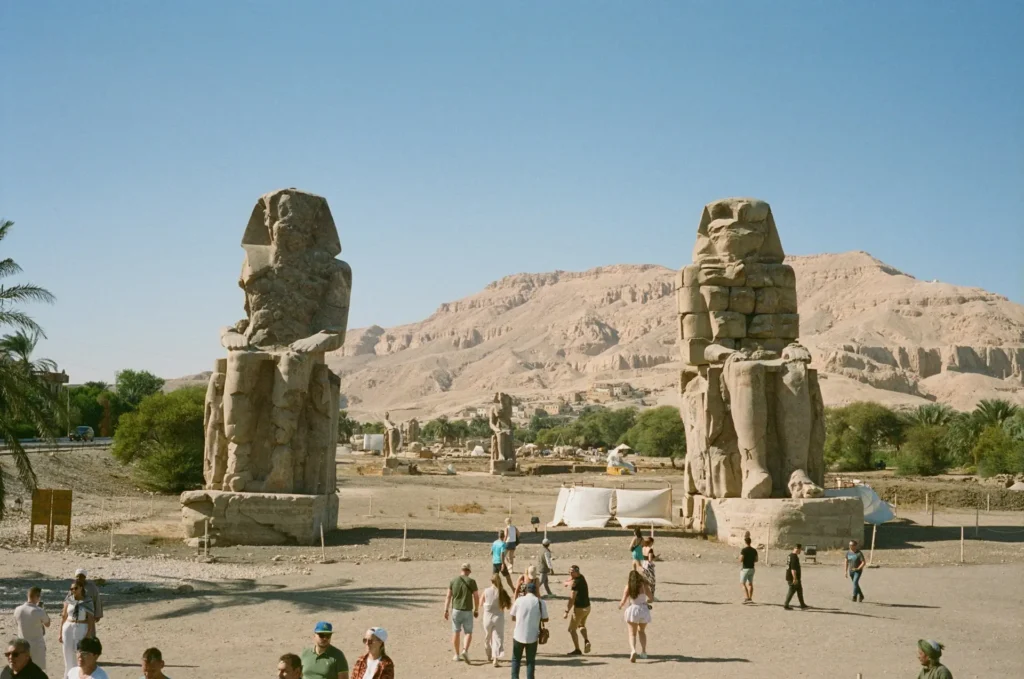
Meanwhile, the West Bank of Luxor was dedicated to funerary rituals and preparation for the afterlife. Pharaohs, nobles, and queens were buried in carefully designed tombs intended to protect their souls for eternity. Famous sites such as the Valley of the Kings, the Valley of the Queens, and the Temple of Hatshepsut demonstrate the importance of death rituals in ancient Egyptian belief.

Together, both banks illustrate how religion influenced architecture, art, and royal tradition across centuries.

East and West Bank Featured Trips

Powered by GetYourGuide

Visitor Experience and Practical Travel Information
Exploring the East and West Bank

Visiting the East and West Bank of Luxor offers a well-balanced and rewarding experience. Most visitors start on the East Bank, where famous temples such as Karnak Temple and Luxor Temple stand alongside hotels, museums, and local markets. This area is lively and easy to explore.

The West Bank is calmer and focused on tombs and funerary temples, including the Valley of the Kings and the Temple of Hatshepsut. The best time to visit the West Bank is early in the morning, when temperatures are cooler and crowds are lighter.

The best time to visit the East Bank is late afternoon or early evening, especially for temple visits. Overall, the best season to visit the East and West Bank of Luxor is from October to April, when the weather is mild and comfortable.

📌 Ready to visit East and West Bank of luxor? Contact Us now and book your experience with confidence!

Scroll to Top