Aswan High Dam

Masterpiece of Water, Power, and Vision!

Aswan High Dam
Location Map & Video Guide

One of Egypt’s most monumental engineering achievements. Specifically, it mastered the Nile River, reshaping the nation’s agriculture, economy, and energy sector. Constructed between 1960 and 1970, this megaproject delivered immense benefits—however, it also sparked lasting debates.

Benefits of Aswan High Dam:
Hydropower: Supplies 10 billion kWh/year of electricity
Agriculture: Enabled year-round irrigation, boosting farming
Flood Control: Ended catastrophic Nile floods
Lake Nasser: Created a new fishing industry

Previously, Egypt depended on the Old Aswan Dam (built in 1902). Unfortunately, this structure couldn’t tame the Nile’s destructive floods. As a result, the new dam addressed three critical needs:

It prevented catastrophic flooding, shielding communities and crops.
Stored water for irrigation, enabling stable farming.
Generating hydroelectric power, driving industrialization.

Ultimately, while the dam delivered immense economic and infrastructural gains, it also sparked environmental and social debates—making it a pivotal yet complex chapter in Egypt’s modernization.

Aswan High Dam Featured Trips

Powered by GetYourGuide

Positive Effects
The Aswan High Dam provides a reliable water supply for Egypt and Sudan. In addition, Lake Nasser created a new fishing industry.

Did You Know?
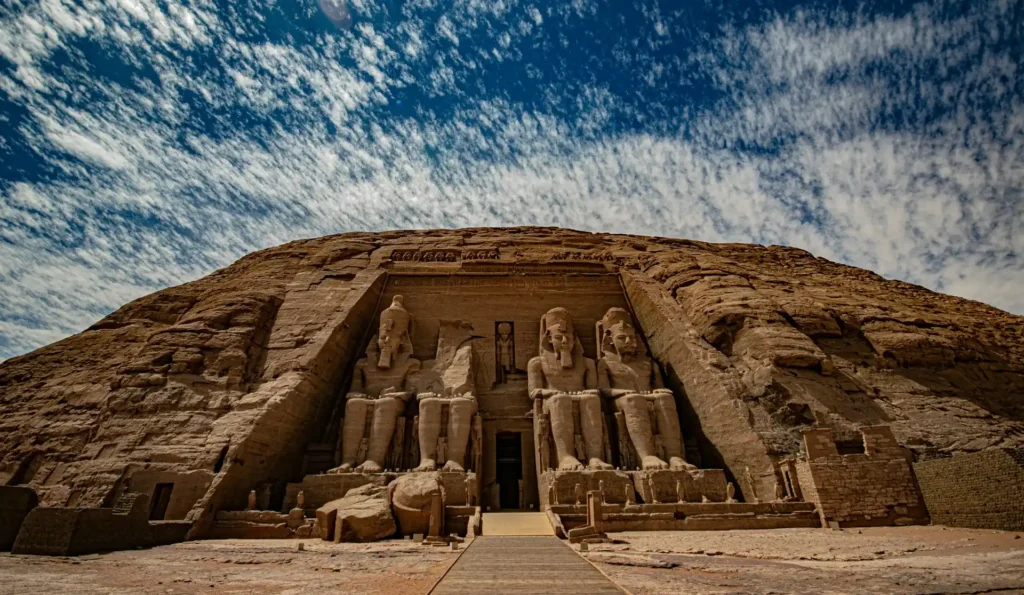
More than 30,000 workers helped build the dam. Moreover, engineers relocated ancient temples like Abu Simbel to protect them from flooding.

Controversies & Challenges
However, the dam reduced natural silt, so farmers now use fertilizers. Also, over 100,000 Nubians were relocated. UNESCO later saved major temples during the Nubia Campaign.

The Aswan High Dam remains one of the greatest engineering projects of the 20th century. Therefore, visiting this landmark offers a unique historical experience.

📌 Ready to See It Yourself? Contact Us – Book a Nile Cruise or Aswan tour to experience this wonder up close!

Scroll to Top