Discover More Attractions in Hamata
Dive into Our Blog for Insider Insights!
Red Sea mangrove sanctuary adventure!
Visitor Experience and Practical Travel Information
Best Time to Visit
The best time to visit Qulaan Mangrove is from October to April, when the weather is cooler and suitable for outdoor exploration.
What to Do
Visitors can walk through shallow waters, admire mangrove trees, enjoy birdwatching, and take nature photographs.
Getting There
Qulaan Mangrove is located south of Marsa Alam inside Wadi El Gemal National Park and is reachable by car or organized tours.
Travel Tips
Bring water, sun protection, and suitable footwear. Respect the ecosystem and avoid disturbing wildlife or mangrove roots.
About Qulaan Mangrove
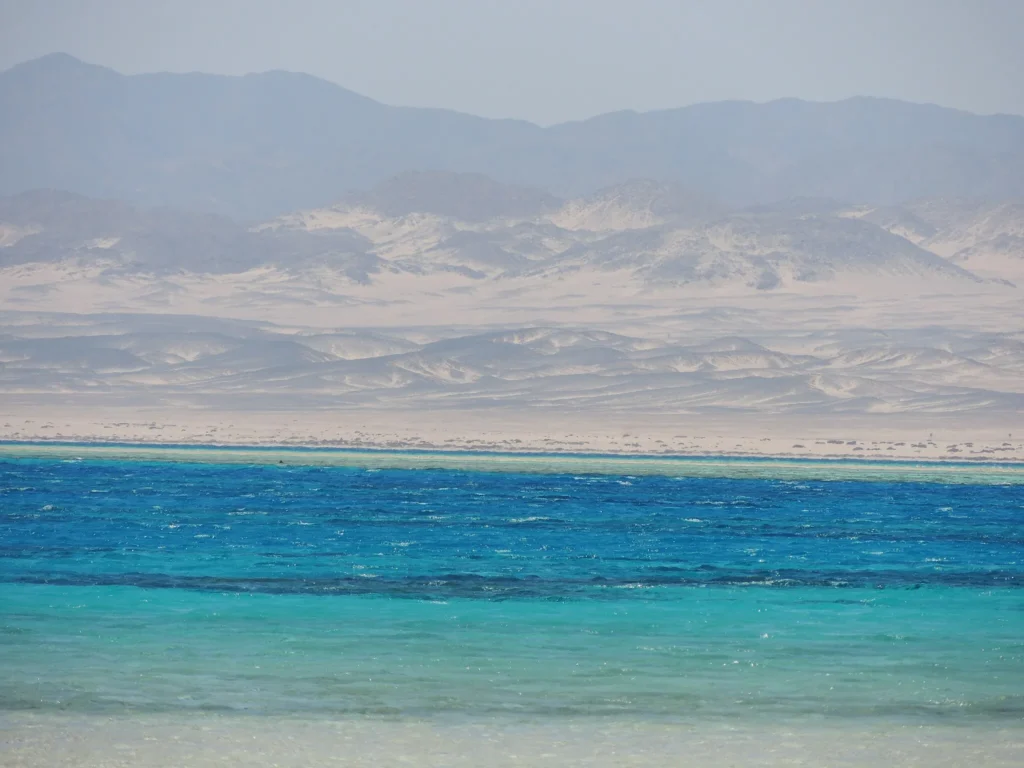
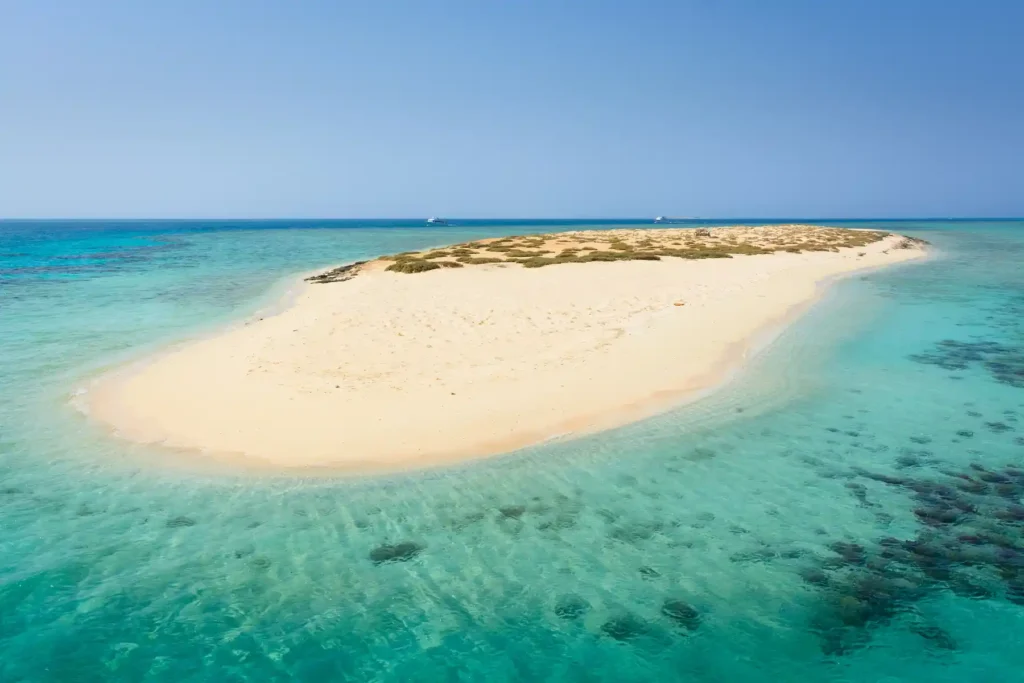
Qulaan Mangrove is one of Egypt’s most beautiful coastal ecosystems, located inside Wadi El Gemal National Park along the Red Sea. The area is known for its shallow clear waters, sandy lagoons, and mangrove forests that grow in salty marine environments.
Moreover, mangrove trees play a vital ecological role. They protect coastlines from erosion and provide natural habitats for fish, birds, and marine life. Additionally, the peaceful landscape creates a unique destination for nature lovers seeking relaxation and ecological exploration.
The surrounding desert and coastal scenery combine to form a rare environment where marine and desert ecosystems meet. As a result, Qulaan offers visitors an unforgettable natural experience that highlights Egypt’s environmental diversity.
Historical and Cultural Significance
Qulaan Mangrove reflects the environmental and cultural heritage of Egypt’s Red Sea coast. Moreover, mangrove ecosystems have supported marine biodiversity and local communities for centuries by providing natural fish nurseries and protecting shorelines from erosion.
Historically, coastal communities near Wadi El Gemal depended on fishing, small-scale trade, and seasonal migration routes that passed through this region. In addition, the mangrove forests served as natural shelters for marine species, helping sustain traditional livelihoods.
Furthermore, Qulaan is part of Wadi El Gemal National Park, which protects both natural ecosystems and cultural traditions of Bedouin communities living along the Red Sea coast. Their knowledge of the environment demonstrates sustainable use of marine and desert resources.
Today, Qulaan Mangrove stands as an important ecological and cultural landmark. As a result, visiting the area allows travelers to understand environmental conservation while experiencing the traditional relationship between local communities and nature.
📌 Ready to discover the hidden beauty of Qulaan Mangrove? Contact Us to plan your unique Red Sea eco-adventure today!
Dive into Our Blog for Insider Insights!