Discover More Attractions in Marsa Alam
Dive into Our Blog for Insider Insights!
Swim with turtles in paradise!
Visitor Experience and Practical Travel Information
Best Time to Visit: From October to April, when temperatures are mild and sea conditions are ideal. Moreover, early mornings offer the best chances to spot turtles and dugongs.
Getting There: Abu Dabbab Bay is located about 30 km south of Marsa Alam. Visitors can reach it by private car or taxi from Marsa Alam town or airport. In addition, many nearby resorts organize day trips to the bay.
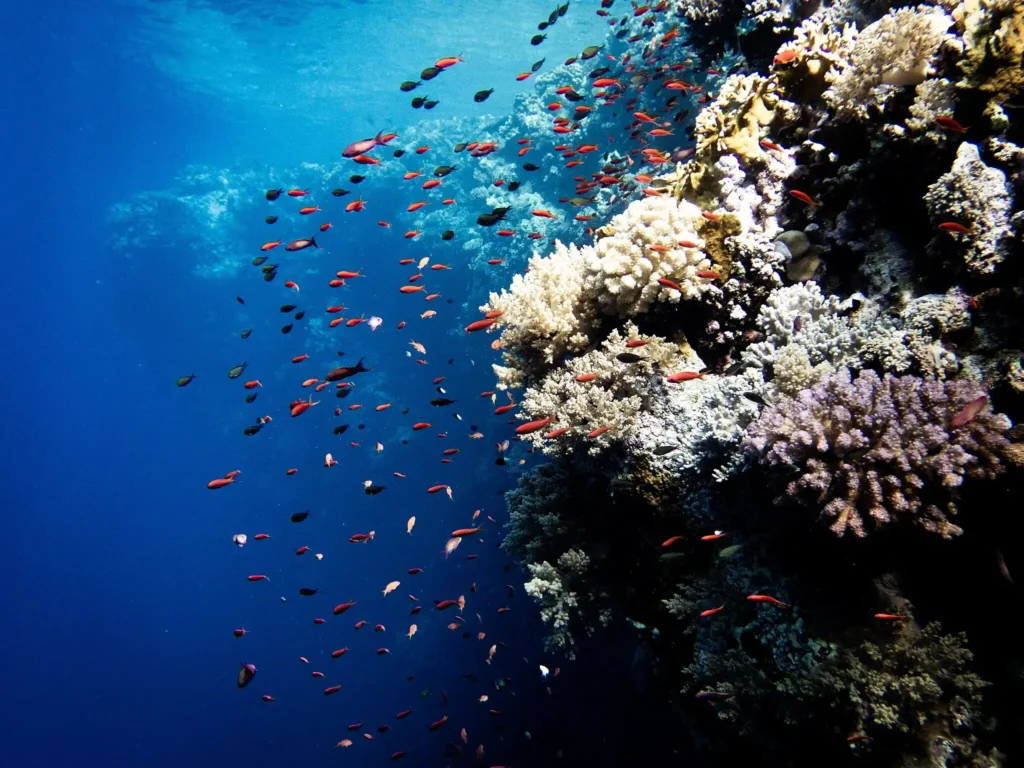
What to Do: Snorkel directly from the shore, observe sea turtles and dugongs, relax on the sandy beach, or enjoy underwater photography. Diving trips are also available nearby.
Travel Tips: Bring sun protection, water, reef-safe sunscreen, and snorkeling gear. Finally, avoid touching marine life and follow conservation guidelines to protect the ecosystem.
About Abu Dabbab Bay
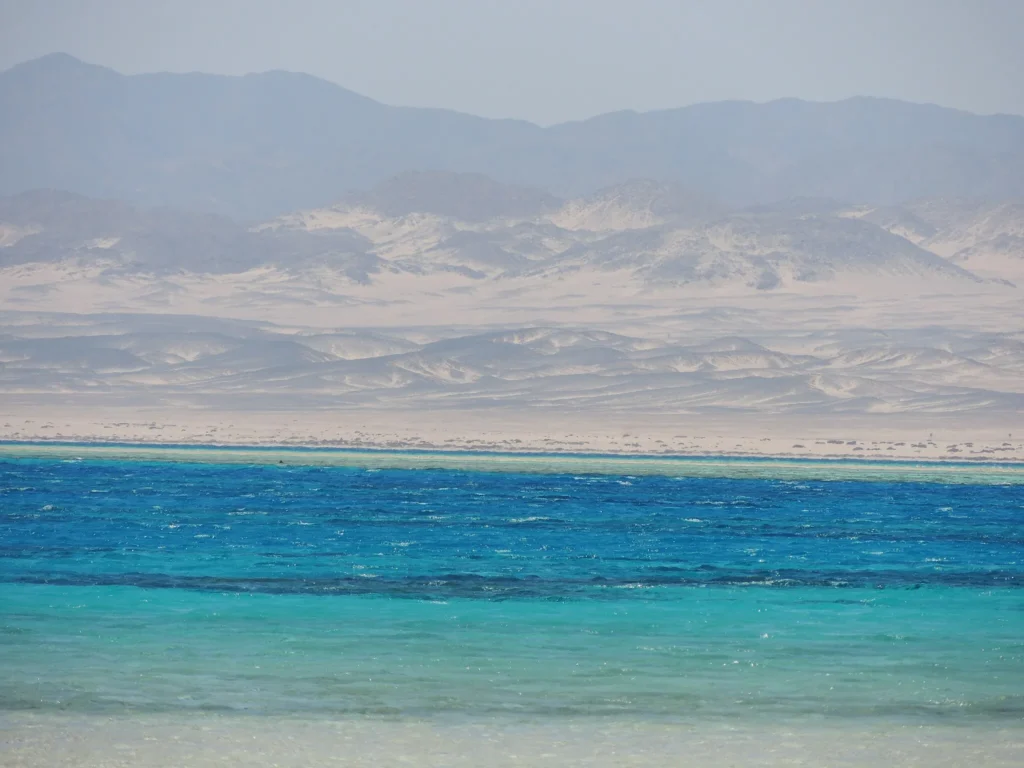
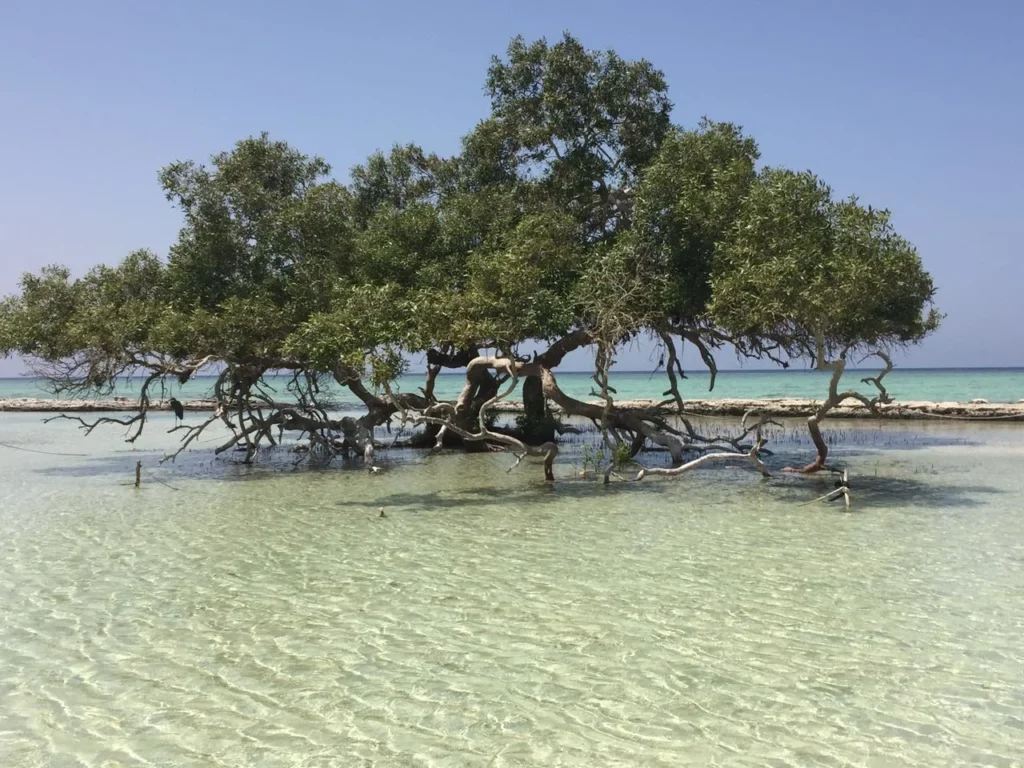
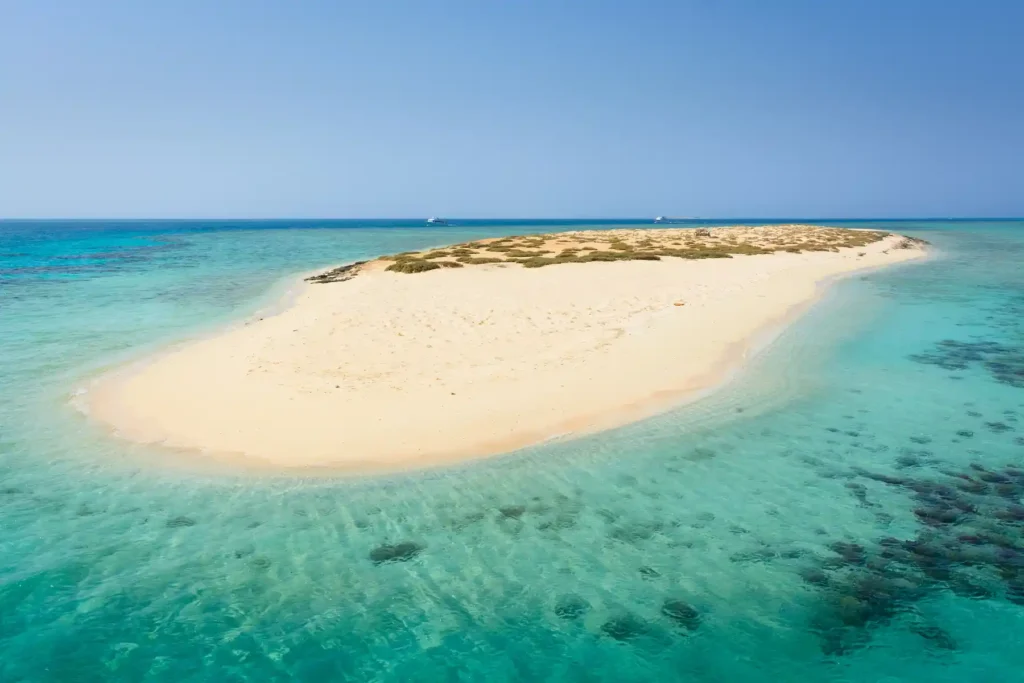
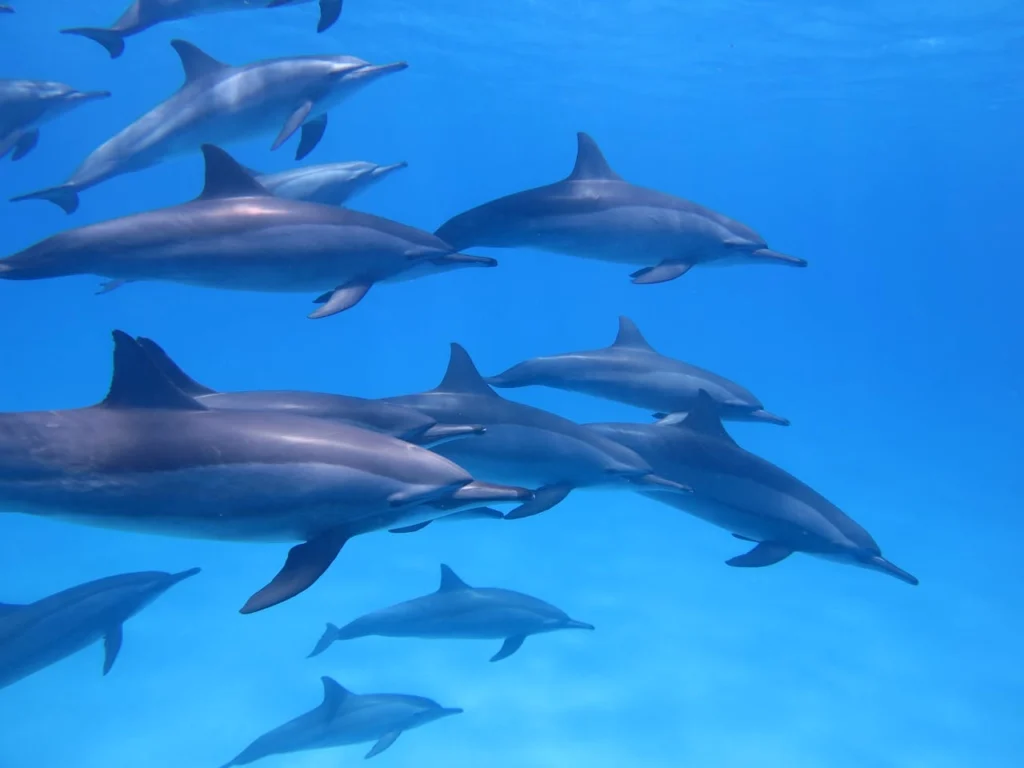
Abu Dabbab Bay is a beautiful natural bay located south of Marsa Alam on Egypt’s Red Sea coast. It is well known for its soft sandy beach, calm shallow waters, and diverse marine life, making it a top destination for snorkeling and swimming. The bay is especially famous for sightings of sea turtles and dugongs (sea cows), which can often be observed close to shore.
In addition, the bay’s gentle waters and easy beach access make it suitable for beginners, families, and nature lovers. Visitors can enjoy swimming, snorkeling, and underwater photography, or simply relax on the sand while taking in the scenic coastal views. Overall, Abu Dabbab Bay offers a unique combination of marine adventure, natural beauty, and a peaceful environment, providing an unforgettable experience for anyone visiting the Red Sea.
Historical and Cultural Significance
Abu Dabbab Bay is primarily recognized for its natural and ecological value rather than for historical landmarks. Nevertheless, the bay is part of the southern Red Sea coastal zone, which has historically supported small fishing communities and acted as a passage for desert travel routes connecting coastal villages with inland areas. Over centuries, local populations have relied on the bay for fishing, water, and access to the surrounding desert.
In addition, the traditions of nearby Bedouin communities highlight a deep connection with both the sea and the desert. Visitors can observe how these communities maintain sustainable practices, such as responsible fishing and minimal-impact living, which have been passed down through generations. Therefore, Abu Dabbab Bay exemplifies the delicate balance between preserving marine ecosystems, respecting cultural heritage, and promoting sustainable tourism. Overall, the bay provides not only a natural haven but also a cultural window into the lives of Red Sea coastal communities.
📌 Ready to explore Abu Dabbab Bay and swim alongside some of the Red Sea’s most iconic marine life? Contact Us to plan your unforgettable nature escape!
Dive into Our Blog for Insider Insights!