Mosque and Madrasa of Sultan Hassan


Historic grandeur, Cairo’s Islamic jewel!

Mosque and Madrasa of Sultan Hassan
Location Map & Video Guide

Visitor Experience and Practical Travel Information
Best Time to Visit

The best months to visit Mosque and Madrasa of Sultan Hassan are October to April, when Cairo is cooler and more comfortable.

What to Do
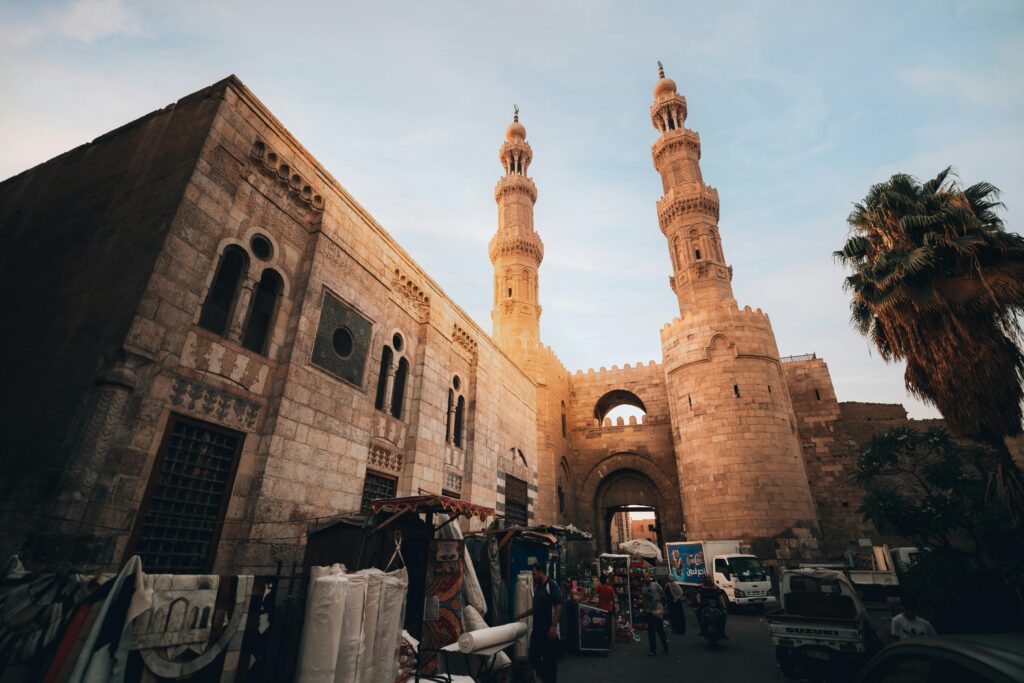
Admire the courtyard, minarets, central dome, and intricate decorations. Also, explore the madrasa and take photos of carvings, stained windows, and the grand entrance.

Getting There
Located in Salah ad‑Din Square, Islamic Cairo, near Mosque of Al‑Rifa’i and Cairo Citadel, accessible by taxi, metro, or city tours.

Travel Tips
Bring comfortable shoes, water, and sun protection, visit early, dress modestly, and consider a guide for full historical insight.

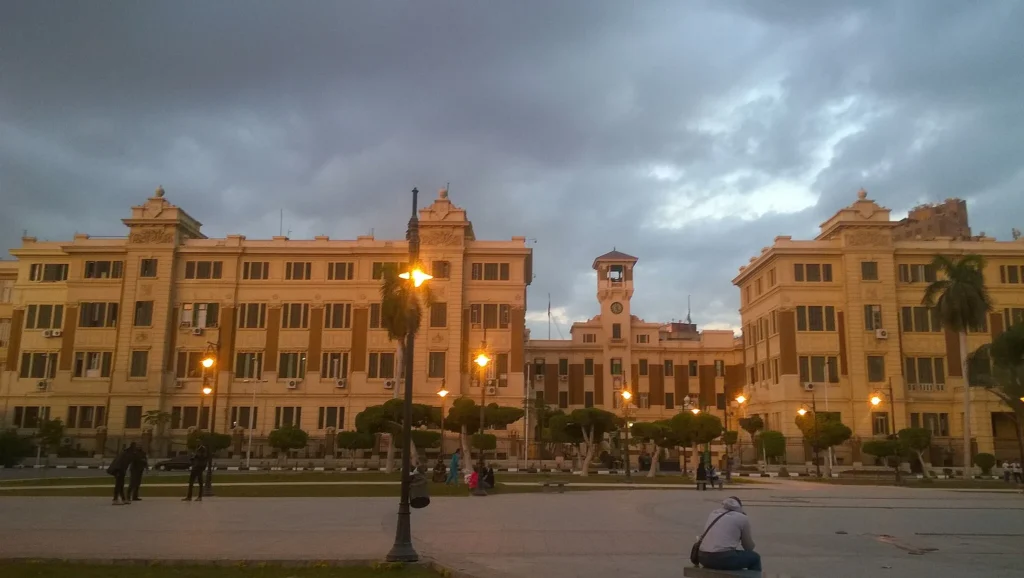
About Mosque and Madrasa of Sultan Hassan
Built between 1356 and 1363 CE under Sultan al‑Nasir Hassan, this monumental complex combines a mosque and educational madrasa. The design reflects Mamluk architectural mastery, with a vast rectangular courtyard, four iwans, a towering dome, and two minarets.

The madrasa was intended to teach the four Sunni schools of Islamic jurisprudence. Also, the mosque features decorative inscriptions, intricately carved stonework, and monumental entrances that reflect the grandeur of medieval Cairo. Surrounding the mosque are gardens and open spaces that enhance the visitor experience.

As a result, the complex provides a deep insight into Islamic religious, educational, and cultural traditions, offering a glimpse of Cairo’s historical heart.

Old Cairo Featured Trips

Powered by GetYourGuide

Historical and Cultural Significance
The Mosque and Madrasa of Sultan Hassan is one of the greatest examples of Mamluk architecture. Moreover, it played a key role in Cairo’s religious and educational life during the 14th century. The complex shows how Islamic rulers used architecture to express authority, culture, and religious devotion.
The mosque features elaborate stone carvings, inscriptions, and decorative arabesque motifs. Additionally, the craftsmanship highlights the skill of Mamluk artisans. Also, the madrasa sections were designed to teach the four Sunni schools of Islamic law. This attracted scholars and students from across Egypt and neighboring regions.

Furthermore, the complex served religious, educational, and ceremonial functions. As a result, it remains a symbol of Cairo’s spiritual and historical identity. Visitors can explore the mosque to experience centuries of Islamic architecture, culture, and education. Ultimately, Sultan Hassan Mosque offers insight into medieval Islamic society while connecting modern visitors to the enduring legacy of the Mamluk era.

📌 Ready to explore the magnificence of Sultan Hassan Mosque? Contact Us to plan your unforgettable Cairo heritage tour today!

Scroll to Top