Historical and Cultural Significance
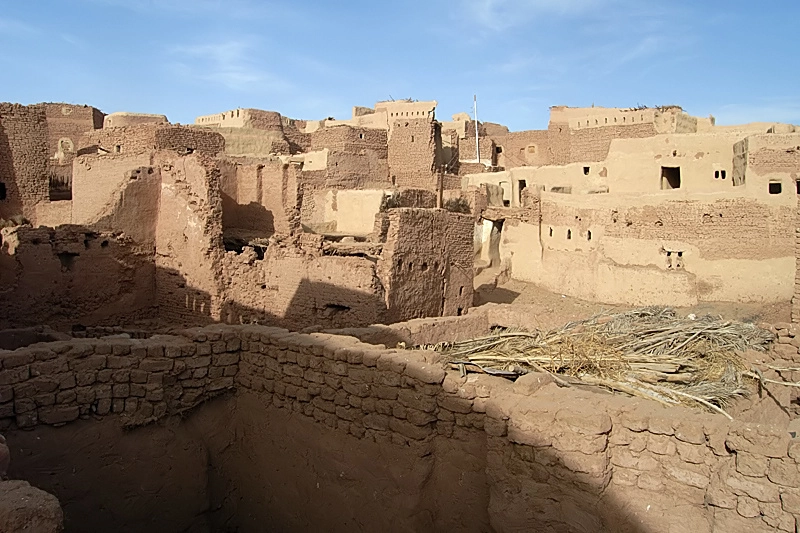
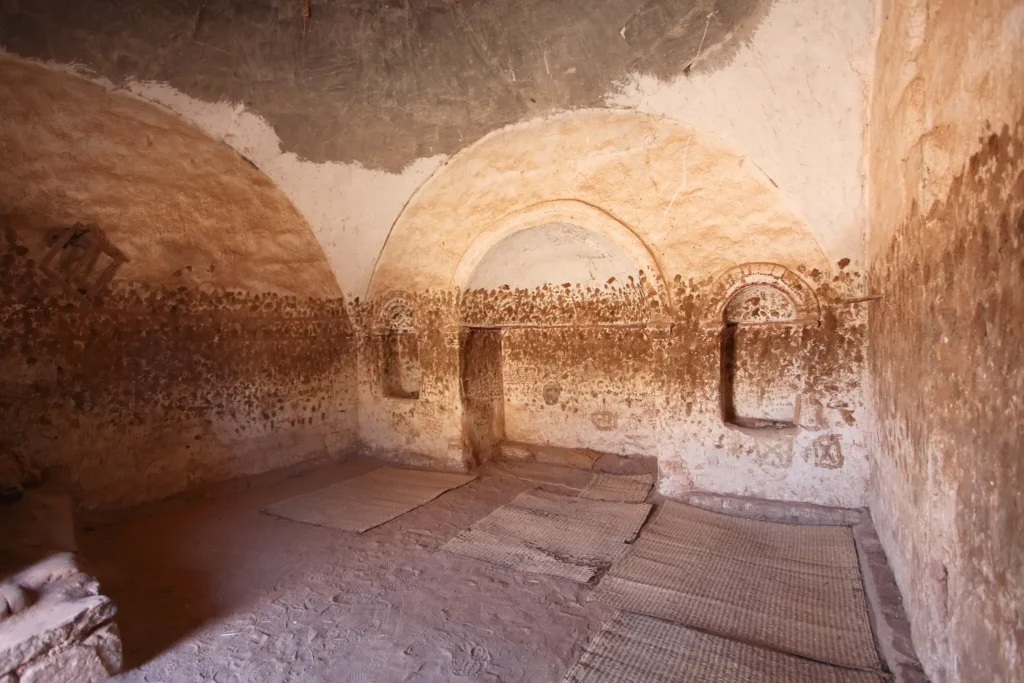
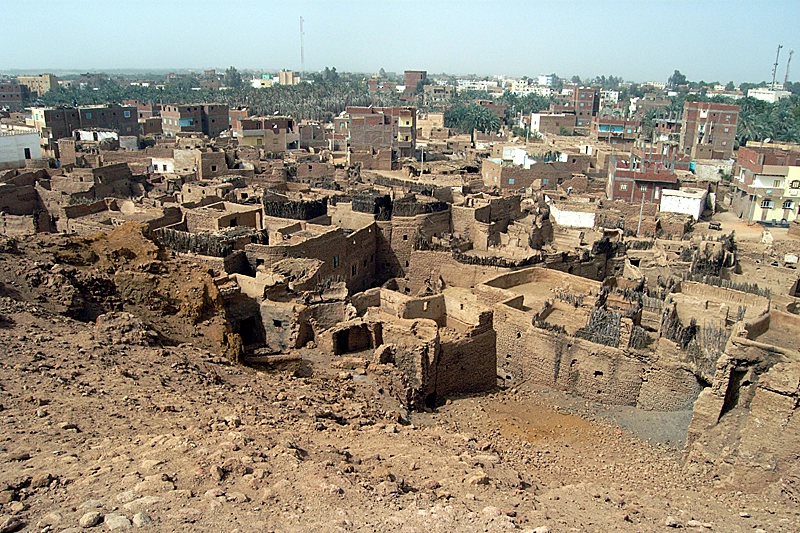
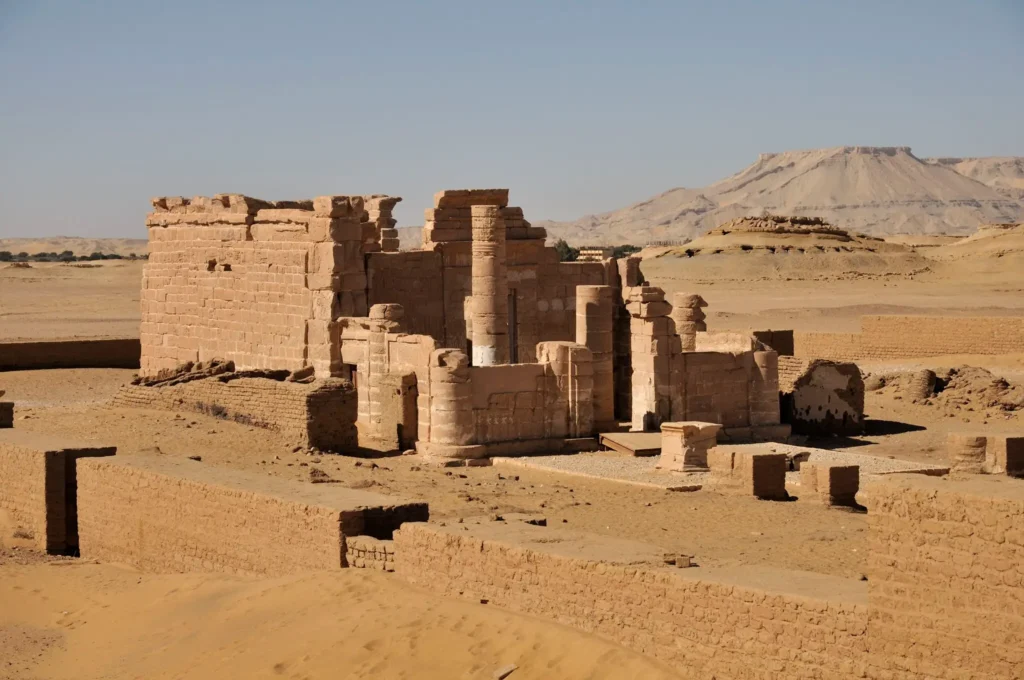
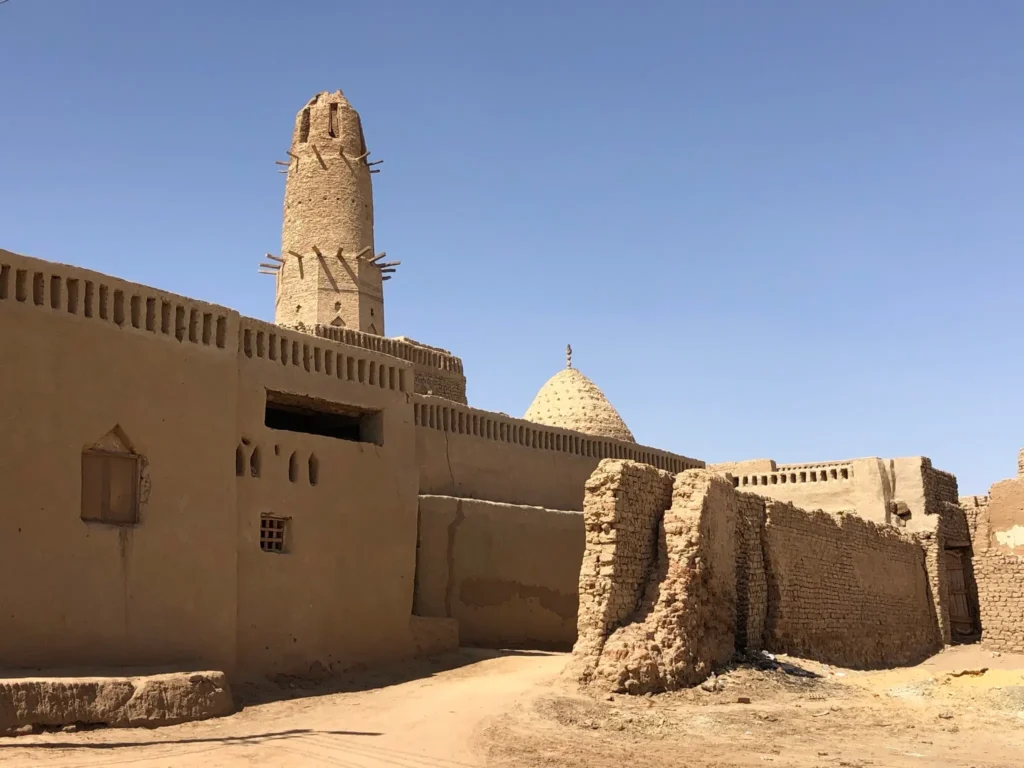
Al Qalamun served as a regional hub during the later medieval and early modern periods. Therefore, it connected remote desert communities with the wider Dakhla Oasis network. Moreover, the village preserves traditional mudbrick houses, an Ayyubid mosque, and historic tombs. These structures reflect Islamic-era life in the Western Desert.
The origin of its name is debated. Some suggest it comes from “qala” (fort), while others link it to reed beds that once grew along the route. In addition, this shows how geography and culture influenced local traditions.
The village’s architecture demonstrates how residents adapted buildings to withstand harsh desert conditions. Also, narrow streets and compact layouts provided shade and protection from strong winds.
Today, visitors can explore these streets, homes, and tombs. As a result, Al Qalamun offers a direct connection to Egypt’s Islamic heritage and the enduring traditions of oasis life. Additionally, it provides a rich cultural and historical journey that spans centuries.
📌 Ready to discover the hidden beauty of El-Dakhla Oasis? Contact Us to plan your unique desert heritage journey today!