Al Baleed Archaeological Park
Explore Oman’s ancient coastal treasure!
Al Baleed Archaeological Park
Location Map & Video Guide
Visitor Experience and Practical Information
Best Time to Visit
The best time to visit Al Baleed Archaeological Park is during the Khareef season (June–September), when Salalah becomes lush and cool. October to April also offers pleasant weather for exploring.
What to Do
Explore the archaeological ruins, visit the Museum of the Frankincense Land, and enjoy walks along the lagoon. Birdwatching and photography are popular due to the area’s natural beauty.
Getting There
The park is a short drive from central Salalah and easily reached by taxi or rental car. Salalah Airport is about 10 km away, making access convenient.
About Al Baleed Archaeological Park
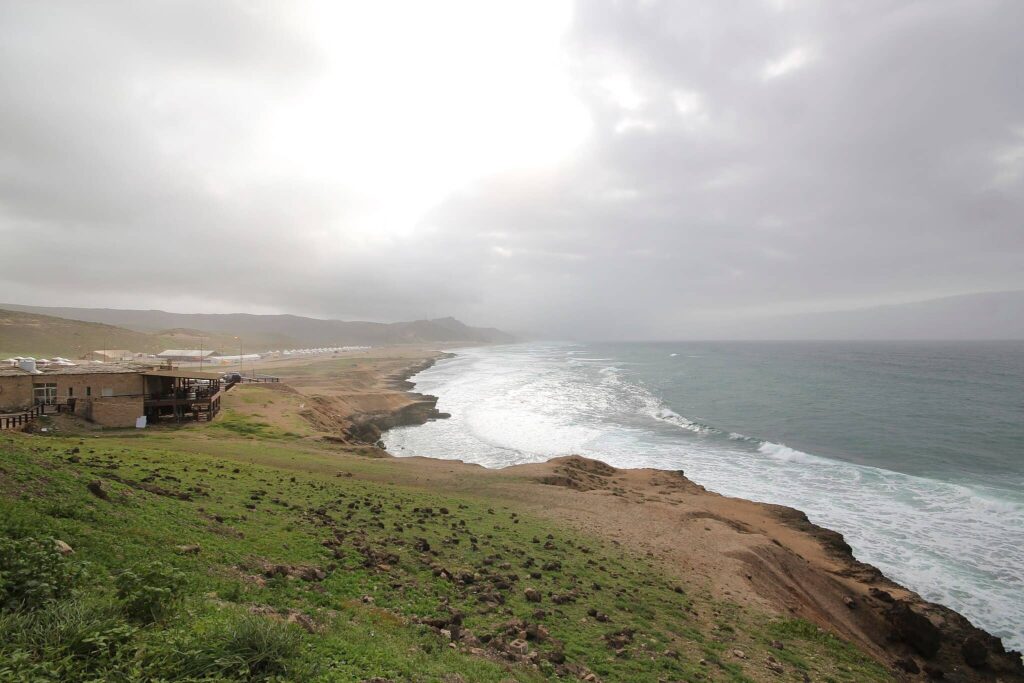
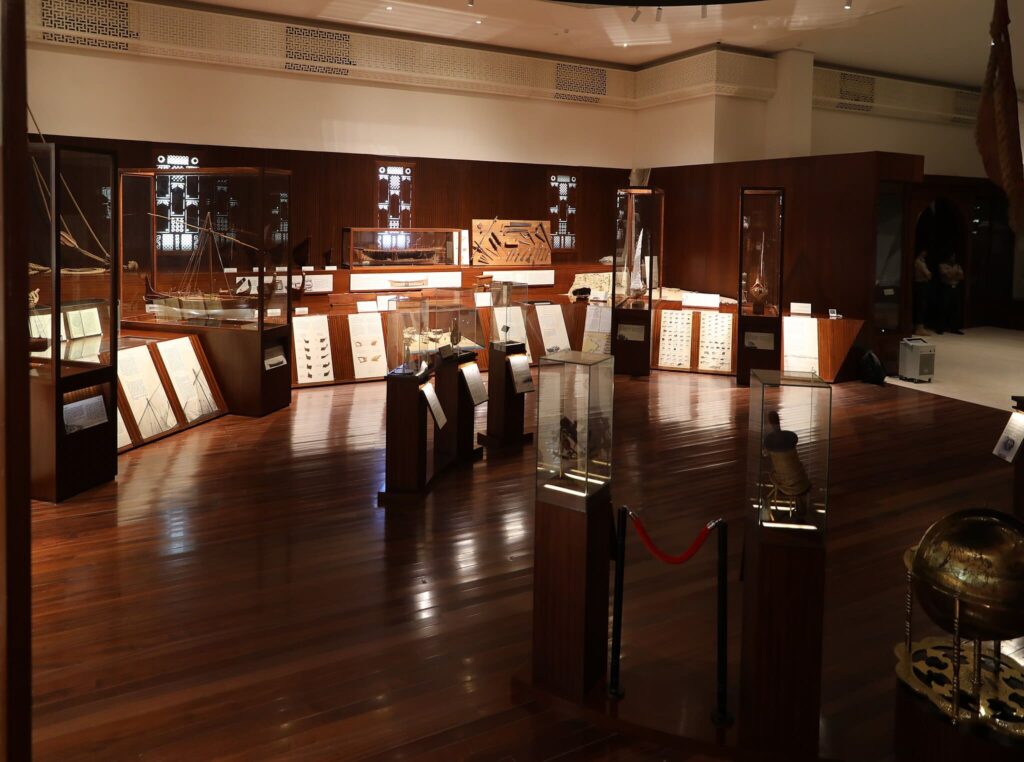
Al Baleed Archaeological Park is one of the most remarkable heritage sites in southern Oman, located in the coastal city of Salalah. This UNESCO-listed site preserves the ruins of the ancient port city of Zafar, which flourished between the 8th and 16th centuries as a major hub in the frankincense trade. The park combines open-air archaeological remains with the modern Museum of the Frankincense Land, offering visitors a comprehensive introduction to the region’s maritime and trading history.
Moreover, the site features remnants of city walls, mosques, residential quarters, and warehouses that once supported a thriving international port. Visitors can stroll along scenic lagoons and coconut groves, creating a unique blend of natural beauty and historical depth. As a result, Al Baleed stands as a must-visit destination for travelers seeking culture, history, and coastal charm in one place.
Salalah Featured Trips
Historical and Cultural Significance
Al Baleed Archaeological Park reflects Oman’s vital role in the ancient frankincense trade. This precious resin was once valued as highly as gold. Ships from Arabia, East Africa, India, and China docked at this port. As a result, the city became a crossroads of cultures, religions, and commerce. Consequently, it evolved into a melting pot of traditions that shaped the identity of the Dhofar region.
Moreover, archaeological discoveries reveal advanced urban planning. The site includes fortified walls and sophisticated water systems. These features highlight the ingenuity of the city’s inhabitants. They also show how residents sustained a prosperous coastal settlement. In addition, the remains of mosques and inscriptions provide insight into the spread of Islam in southern Arabia.
Today, Al Baleed symbolizes Oman’s maritime heritage and cultural openness. It preserves the legacy of global trade routes that linked the Arabian Peninsula with distant civilizations. Therefore, the site remains a cornerstone of regional history.
📌 Ready to explore Oman’s past? Contact Us to plan your journey today!
Discover More Attractions Near Salalah
Dive into Our Blog for Insider Insights!